
alfie

Predict your income like a CFO, not a freelancer.

Category: blog

  • The Hidden Cost of Late Brand Payments for Influencers

    The Hidden Cost of Late Brand Payments for Influencers

    Late payments are one of the most overlooked problems in the creator economy. While brand partnerships, UGC deals, and affiliate collaborations look great on paper, delayed payouts quietly create financial stress that compounds over time. For influencers and creators running their brand like a business, inconsistent cash flow isn’t just annoying—it’s costly.

    In this article, we’ll break down the real impact of late brand payments and how tools like Alfie, a cash flow calendar built for creators, can help influencers stay in control of their money.


    Late Payments Are the Norm, Not the Exception

    Many influencers assume delayed payments are just “part of the industry.” Net-30, net-60, and even net-90 payment terms are common—especially when working with agencies or large brands.

    The problem? Influencers still have expenses due now, not in 60 days.

    Common payment delays include:

    • Waiting weeks after content goes live to invoice

    • Brands missing payment dates with little communication

    • Payments tied up in approval or finance departments

    • Multiple platforms (PayPal, Stripe, ACH) with no single source of truth

    Over time, this creates uncertainty that affects both income planning and growth.


    The Real Hidden Costs of Late Brand Payments

    1. Cash Flow Gaps

    Even if you’re profitable on paper, delayed payments can make it hard to cover monthly expenses like rent, software subscriptions, editors, or ad spend.

    Creators often end up:

    • Using credit cards to float expenses

    • Dipping into personal savings

    • Turning down opportunities due to short-term cash constraints

    2. Lost Time Chasing Payments

    Following up on unpaid invoices takes time away from content creation and brand growth.

    Many influencers spend hours:

    • Digging through emails to confirm payment terms

    • Tracking which brand owes what

    • Sending follow-ups and reminders

    Time spent chasing money is time not spent making money.

    3. Poor Financial Decision-Making

    Without a clear view of upcoming payments, it’s easy to overspend during “good months” and panic during slow ones.

    Late payments make it difficult to:

    • Forecast income

    • Plan taxes accurately

    • Invest in better equipment or team support

    This uncertainty slows long-term growth.

    4. Burnout and Stress

    Financial unpredictability is one of the biggest contributors to creator burnout. When payments are unclear or constantly late, stress builds—even when your audience and brand deals are growing.

    Creators shouldn’t have to guess when they’ll get paid.


    Why Influencers Need a Cash Flow Calendar

    Traditional accounting tools weren’t built for creators. Spreadsheets break. Inboxes get messy. And most platforms only show past payments, not what’s coming next.

    That’s where a cash flow calendar becomes essential.

    A cash flow calendar helps influencers:

    • See exactly when payments are expected

    • Track pending, paid, and overdue brand deals

    • Plan expenses with confidence

    • Avoid surprise cash shortages


    How Alfie Solves the Late Payment Problem

    Alfie is a cash flow calendar designed specifically for influencers, creators, and freelancers dealing with brand payments.

    Instead of guessing, Alfie lets you:

    • Log brand deals and expected payment dates

    • Visualize future income in a calendar view

    • Track which brands consistently pay late

    • Plan expenses around real, projected cash flow

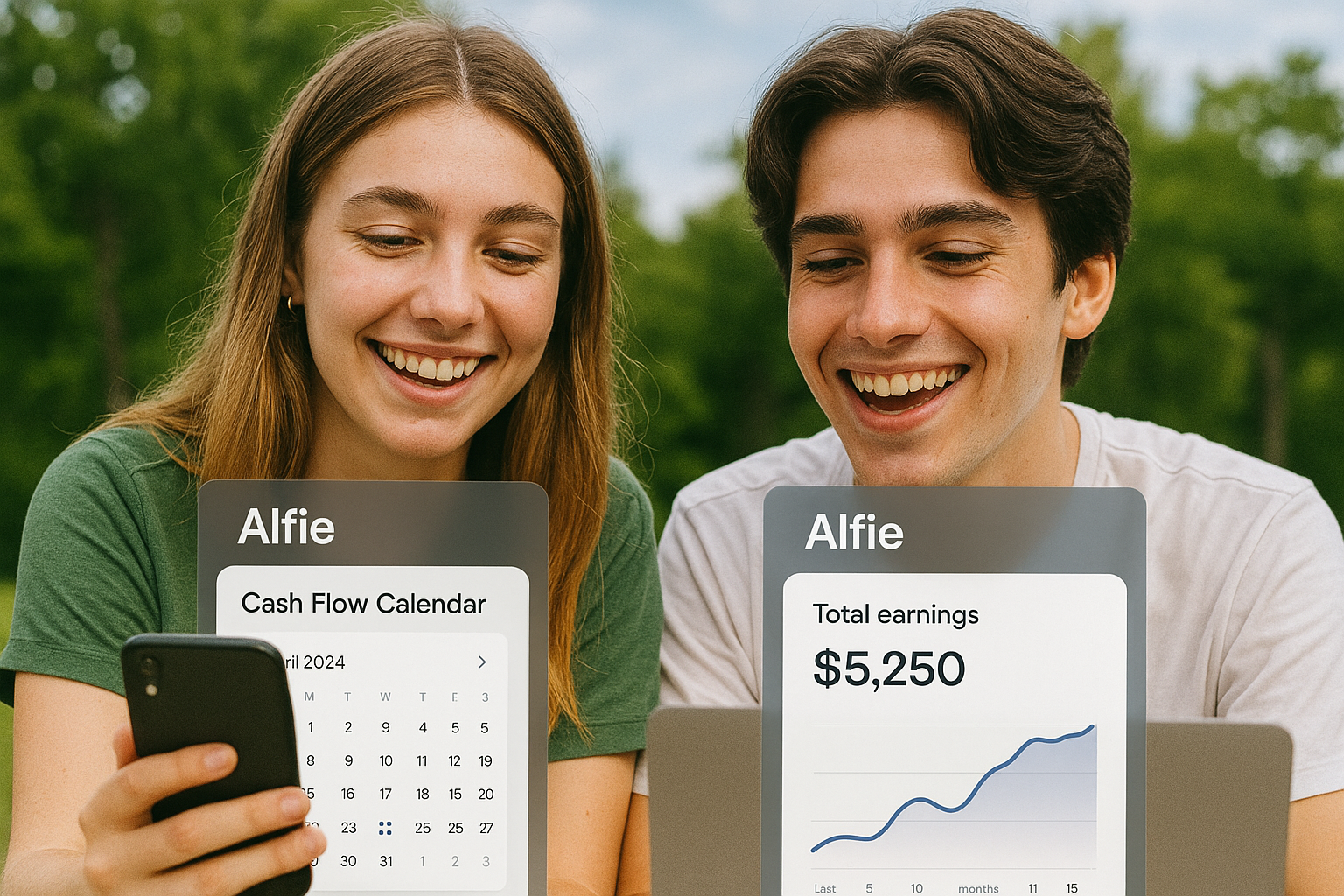
    By showing what’s coming in and when, Alfie turns unpredictable brand payments into something manageable.


    Late Payments Don’t Have to Control Your Business

    Influencers are no longer just creators—they’re media companies. And media companies need visibility into cash flow.

    Late brand payments will likely always exist. But the stress, guesswork, and financial damage don’t have to.

    With tools like Alfie, creators can stop reacting to late payments and start planning ahead with confidence.


    Final Thoughts: Automate Your Cash Flow Calendar for Content Creators

    Learning how to track brand deals efficiently is one of the biggest unlocks for scaling as a creator. You’ll save time, reduce stress, and know exactly where your money is coming from.

    If you want the easiest way to stay organized and never lose track of a deal again, Alfie is built for you.

    Get organized. Grow faster. Predict your income like a CFO.
  • 2026 Productivity Guide for Content Creators and Influencers Managing Brand Deals and Cash Flow

    2026 Productivity Guide for Content Creators and Influencers Managing Brand Deals and Cash Flow

    2026 Productivity Guide for Creators is not about posting more content. It is about managing brand deals, payments, and cash flow without chaos.

    Creators today are running real businesses. Brand partnerships, sponsorships, retainers, and performance bonuses create complex income streams. Without visibility into what is signed, what is owed, and when money arrives, productivity breaks down.

    This is why creators are using Alfie as a productivity tool for brand deal management and cash flow planning.
     

    Why Brand Deals Are a Productivity Bottleneck in 2026

    Brand deals do not fail because creators lack talent. They fail because creators lack systems.

    In 2026, creators struggle with:

    • Forgetting payment terms across multiple brand deals
    • Not knowing when invoices are due or paid
    • Chasing brands for late payments
    • Overcommitting during low cash months
    • Constant financial uncertainty that kills focus

    When money management is messy, creators spend less time creating and more time reacting.
     

    The 2026 Productivity Shift for Creators

    The most productive creators are not optimizing their posting schedule. They are optimizing their deal pipeline and cash flow.

    Productivity in 2026 means:

    • Knowing which deals are signed, pending, or paid
    • Understanding exactly when cash is coming in
    • Planning work based on financial reality
    • Reducing stress caused by income uncertainty

    This requires a system built for creator businesses.
     

    What Alfie Is and What It Is Not

    Alfie is not a content calendar.

    Alfie is not a posting or scheduling tool.

    Alfie is a productivity platform designed to help creators manage brand deals and cash flow in one place.

    How Creators Use Alfie to Manage Brand Deals

    Creators use Alfie to track every brand deal from agreement to payment.

    Each deal includes:

    • Brand name and campaign details
    • Deal value and payment terms
    • Invoice status
    • Expected payment date
    • Deal stage from signed to paid

    This eliminates guessing and reduces follow up work.
     

    How Alfie Works as a Cash Flow Calendar

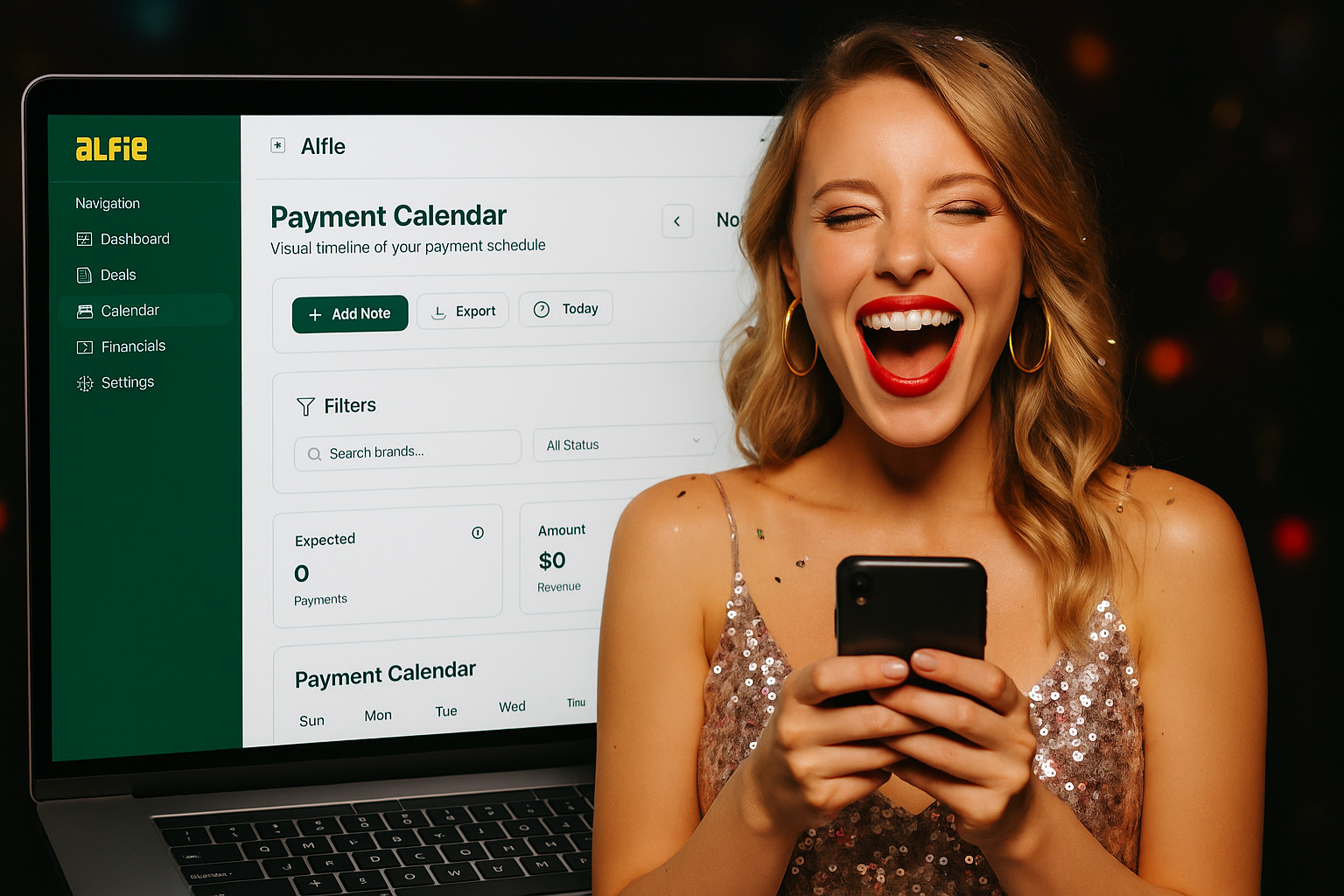
    Alfie turns brand deals into a forward looking cash flow calendar.

    Instead of checking bank balances, creators see upcoming income before it arrives.

    Creators use Alfie to:

    • See cash flow by week and month
    • Identify slow months in advance
    • Plan expenses with confidence
    • Avoid overextending during low cash periods

    This visibility directly improves productivity.
     

    Why Cash Flow Visibility Improves Creator Productivity

    When creators know what is coming, they work differently.

    Using Alfie, creators can:

    • Say no to bad deals when cash flow is strong
    • Prioritize outreach during slow months
    • Stop stressing about unpaid invoices
    • Focus creative energy on high value work
    • Make confident hiring decisions


    Real World Example of Alfie in Use

    A creator has three brand deals signed with payments spread across the next two months.

    Instead of tracking this in emails and spreadsheets, everything is logged in Alfie.

    The creator sees exactly when money is arriving and adjusts workload and expenses accordingly. No surprises. No panic.
     

    Why Creators Are Choosing Alfie in 2026

    Creators are done with spreadsheets, inbox searches, and mental math.

    They want a clear system for managing deals and money.

    Alfie gives creators:

    • One place to manage brand partnerships
    • Clear visibility into future cash flow
    • Less administrative stress
    • More control over their business


    Productivity in 2026 Is About Control

    Creators do not need more productivity hacks.

    They need clarity.

    Alfie gives creators control over brand deals and cash flow so they can work smarter, not react faster.

    In 2026, the most productive creators manage their business with Alfie.


    Final Thoughts: Automate Your Cash Flow Calendar for Content Creators

    Learning how to track brand deals efficiently is one of the biggest unlocks for scaling as a creator. You’ll save time, reduce stress, and know exactly where your money is coming from.

    If you want the easiest way to stay organized and never lose track of a deal again, Alfie is built for you.

    Get organized. Grow faster. Predict your income like a CFO.
  • From Spreadsheet Chaos to Cash Clarity How Content Creators Can Automate Their Cash Flow Calendar

    From Spreadsheet Chaos to Cash Clarity How Content Creators Can Automate Their Cash Flow Calendar

    For content creators, cash flow problems rarely come from lack of work. They come from unpredictable timing. Automate your cash flow calendar for content creators.

    Brand payments arrive late. Sponsorships pay net thirty or net sixty. Platforms hold revenue before releasing it. Meanwhile rent, software, editors, and taxes are due on fixed dates. On paper, revenue looks great. In reality, cash feels stressful. This is why spreadsheets fail creators and why automating a cash flow calendar changes everything.


    Why Spreadsheets Do Not Work for Content Creators, Automate Your Cash Flow Calendar for Content Creators

    Most creators start with spreadsheets because they are easy. One tab for brand deals. One for platform payouts. One for expenses.

    It works until it does not.

    • Brand payment dates shift
    • Invoices get delayed
    • Platform payouts change without warning
    • Expenses hit weekly while income arrives monthly

    Spreadsheets require constant manual updates. One missed change and the numbers are no longer real. Decisions end up based on what you hope will happen instead of what actually will. For creators, timing matters more than totals.


    What a Cash Flow Calendar Means for Creators

    A cash flow calendar shows exactly when money is expected to hit and when it is leaving.

    • Brand deal payments by date
    • Platform payouts from YouTube TikTok Instagram or affiliates
    • Editor contractor and software payments
    • Taxes subscriptions and recurring expenses

    Instead of asking how much you made this month, you can answer better questions.

    • Will I have enough cash to pay my editor next week
    • Can I afford to reinvest in content right now
    • What happens if a brand pays late
    • When is the safest time to hire or upgrade production

    This clarity is critical as creators scale.


    The Problem With Manual Cash Tracking in the Creator Economy

    Creators often manage cash between multiple income streams.

    • Brand deals
    • UGC contracts
    • Affiliate revenue
    • Platform payouts

    Each one pays on a different schedule. Manually updating spreadsheets becomes overwhelming. Eventually it stops reflecting reality. Late payments are noticed too late. Expenses sneak up. Stress replaces confidence. Automation fixes this at the source.


    Real Example What Creators See With Automation

    A creator has several brand deals closing this month. Revenue looks strong.

    The automated cash flow calendar shows something else.

    • Two large brand payments are net sixty
    • Platform payouts arrive after payroll for editors
    • A cash gap appears ten days from now

    Nothing changed about the deals. Only visibility changed.

    Now the creator can act early.

    • Follow up with brands
    • Delay optional spend
    • Plan content releases around payouts
    • Avoid panic decisions

    That is the difference automation makes.


    Why Creators Need Timing Not Just Revenue

    Creators are not paid like traditional businesses. Income is lumpy and expenses are constant. Spreadsheets focus on totals. Automated calendars focus on timing. When creators understand timing, everything improves.

    • Hiring becomes safer
    • Reinvestment becomes intentional
    • Growth feels controlled instead of stressful

    Cash stops being something you worry about and becomes something you manage.


    Who This Is For

    • Full time content creators
    • UGC creators working with brands
    • Creator agencies managing multiple talent payouts
    • Influencers scaling into media businesses
    • Anyone earning online with inconsistent payment timing

    If your income depends on when someone else pays you, automation is essential.


    From Chaos to Control for Creators

    Moving from spreadsheet chaos to cash clarity is not about better tracking. It is about better visibility.

    An automated cash flow calendar gives creators real time insight into their most important asset. Cash.

    When you can see cash gaps before they happen, you stop guessing and start building sustainably.

    That is how creator businesses scale without burning out.


    Final Thoughts: Automate Your Cash Flow Calendar for Content Creators

    Learning how to track brand deals efficiently is one of the biggest unlocks for scaling as a creator. You’ll save time, reduce stress, and know exactly where your money is coming from.

    If you want the easiest way to stay organized and never lose track of a deal again, Alfie is built for you.

    Get organized. Grow faster. Predict your income like a CFO.
  • Top Finance Tools for Influencers: What Every Creator Needs to Stay Profitable

    Top Finance Tools for Influencers: What Every Creator Needs to Stay Profitable

    Influencers do not earn like traditional employees. Income arrives from multiple platforms at different times, payment terms vary by brand, and taxes can be unpredictable. Without the right systems in place, creators often struggle with late payments, poor forecasting, and financial stress that limits growth.

    The good news is that there are powerful finance tools designed for modern creators. Below are the top tools influencers use to stay organized, followed by the one platform built specifically for creators who want full control of their cash flow.


    1. Accounting Tools for Influencers

    Traditional accounting platforms help track income and expenses across brand deals, affiliate commissions, sponsorships, and platform payouts.

    Strong options
    • QuickBooks
    • FreshBooks
    • Wave

    These tools are helpful for bookkeeping but they don’t solve the biggest influencer problem: unpredictable income.


    2. Payment Tracking and Invoicing Tools

    Influencers need a reliable way to send invoices and keep track of who has paid, who is late, and what is owed.

    Popular tools
    • HoneyBook
    • Notion templates
    • Stripe invoicing

    Useful for organization, but they do not predict upcoming income or help with tax planning.


    3. Tax Tools for Creators

    Tax season is one of the biggest pain points for influencers. Quarterly payments, write offs, and multi-platform income make it stressful.

    Helpful tools
    • Keeper Tax
    • TurboTax
    • H R Block

    These tools offer filing support but still leave creators guessing how much to set aside month to month.


    4. Budgeting Tools

    Basic budgeting apps help influencers separate personal and business expenses.

    Common choices
    • YNAB
    • Mint alternatives
    • Simple spreadsheets

    These are great for basic planning but not powerful enough for creators who need to see projected income and cash flow.


    5. Alfie: The Finance Tool Built Specifically for Influencers

    While most tools were built for freelancers or general small businesses, Alfie is designed for creators and influencers.

    Alfie predicts your income the way a CFO would, giving you clarity and confidence in your financial decisions.

    What Alfie Does for Influencers

    Predicts your income
    Once you add your brand deals, platform payouts, and payment terms, Alfie shows you exactly what you will make and when.

    Creates a dynamic cash flow calendar
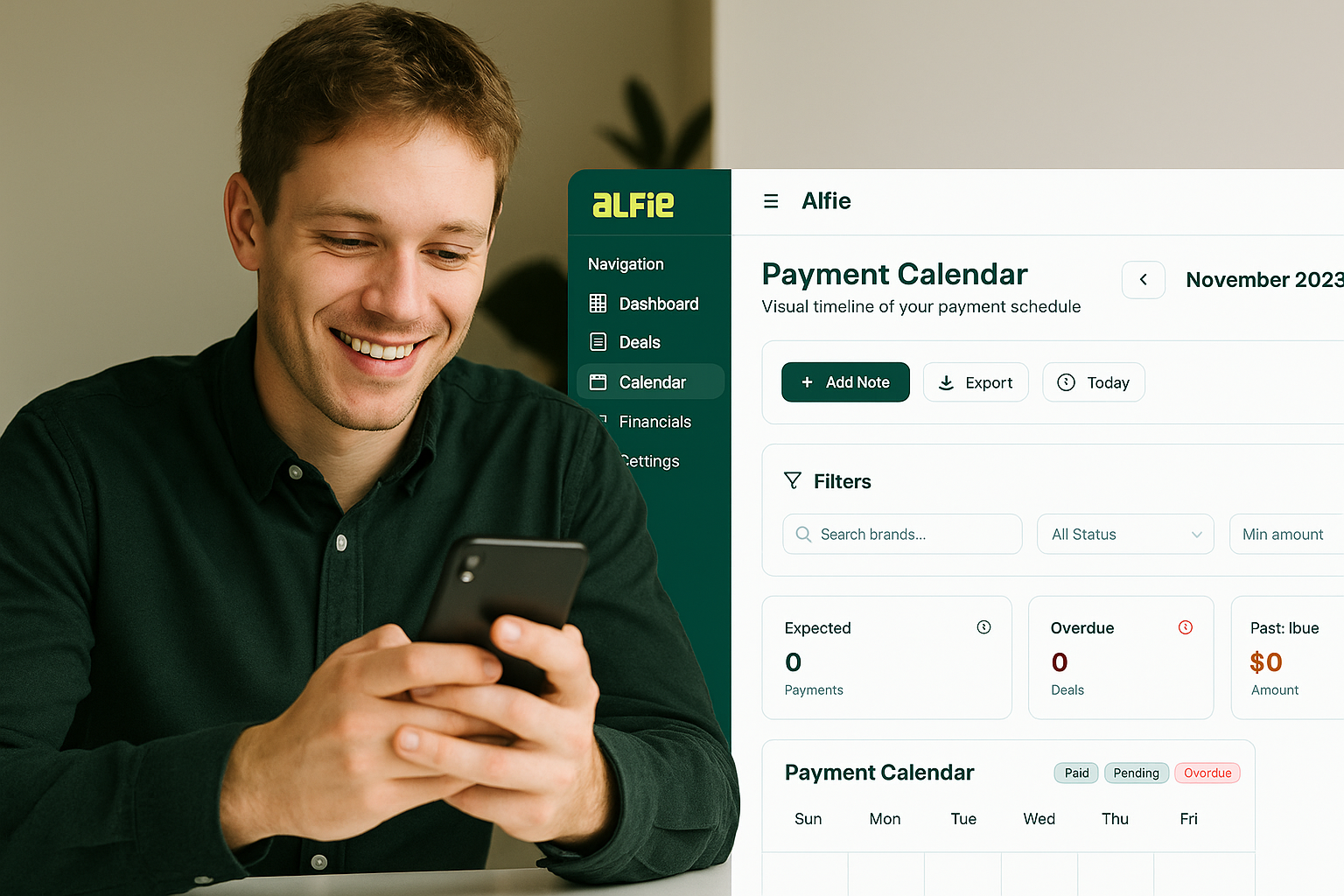
    You see all future income in one clear timeline so you always know what is coming next.

    Automatically adjusts for taxes and fees
    Alfie deducts estimated taxes and agent fees so your real take home pay is accurate.

    Eliminates the stress of uncertain earnings
    Whether you are negotiating deals or planning expenses, you finally know what your money looks like ahead of time.

    Built for creators, not traditional businesses
    Every feature is made to solve the unique cash flow challenges influencers face.


    Why Alfie Is the Top Finance Tool for Influencers

    Influencers do not need another generic budgeting or invoicing app. They need a simple, intelligence driven system that reflects how creator income actually works.

    Alfie connects the entire picture
    • brand deals
    • platform analytics
    • payment terms
    • taxes
    • projected earnings

    You get clarity, confidence, and control. For creators who want to grow their income rather than chase payments or guess their cash flow, Alfie becomes the go to finance companion.


    Final Thoughts: Track Brand Deals the Smart Way

    Learning how to track brand deals efficiently is one of the biggest unlocks for scaling as a creator. You’ll save time, reduce stress, and know exactly where your money is coming from.

    If you want the easiest way to stay organized and never lose track of a deal again, Alfie is built for you.

    Get organized. Grow faster. Predict your income like a CFO.
  • How to Track Brand Deals Efficiently (Creator’s Guide)

    How to Track Brand Deals Efficiently (Creator’s Guide)

    If you’re a creator or influencer, managing brand deals can feel like a full-time job. Between contracts, deliverables, deadlines, and late payments, it’s easy for details to slip through the cracks. And when brand deals are your income, staying organized isn’t optional—it directly affects your cashflow, your stress levels, and your ability to scale.

    If you’ve ever missed a payment, forgotten a due date, or spent too much time digging through email threads, this guide breaks down exactly how to track brand deals efficiently—and why thousands of creators are turning to Alfie to simplify everything.


    Why Tracking Brand Deals Matters

    Creators today juggle:

    • Multiple brand partners

    • Different deliverables across platforms

    • Confusing payment terms

    • Inconsistent communication

    • Net-30, 45, 60, or even 90-day payouts

    Without a proper system, creators risk:

    • Missing payments

    • Delivering late content

    • Losing repeat brand partnerships

    • Disorganized finances during tax season

    • Zero visibility into future income

    Efficient tracking = predictable income, better relationships, and smoother workflows.


    Traditional Ways Creators Track Brand Deals (and Their Problems)

    1. Spreadsheets

    Works at first—but quickly becomes overwhelming.
    Hard to update, easy to forget, and doesn’t show real-time payment status.

    2. Notes App or Notion

    Great for planning content, but not for tracking payments across dozens of deals.

    3. Email & DMs

    The fastest way to lose a contract, invoice, or deadline.

    4. Agency Project Tools

    Built for teams, not creators—and definitely not built for predicting cashflow.

    Creators need something built specifically for how they work.


    The Most Efficient Way to Track Brand Deals: Alfie’s Cashflow Calendar

    Alfie was designed for creators who want to stay organized without spending hours maintaining spreadsheets.

    Here’s what makes Alfie the #1 solution:

    ✔ Log Every Brand Deal in Seconds

    Add brand name, deliverables, payment amount, and due dates instantly.

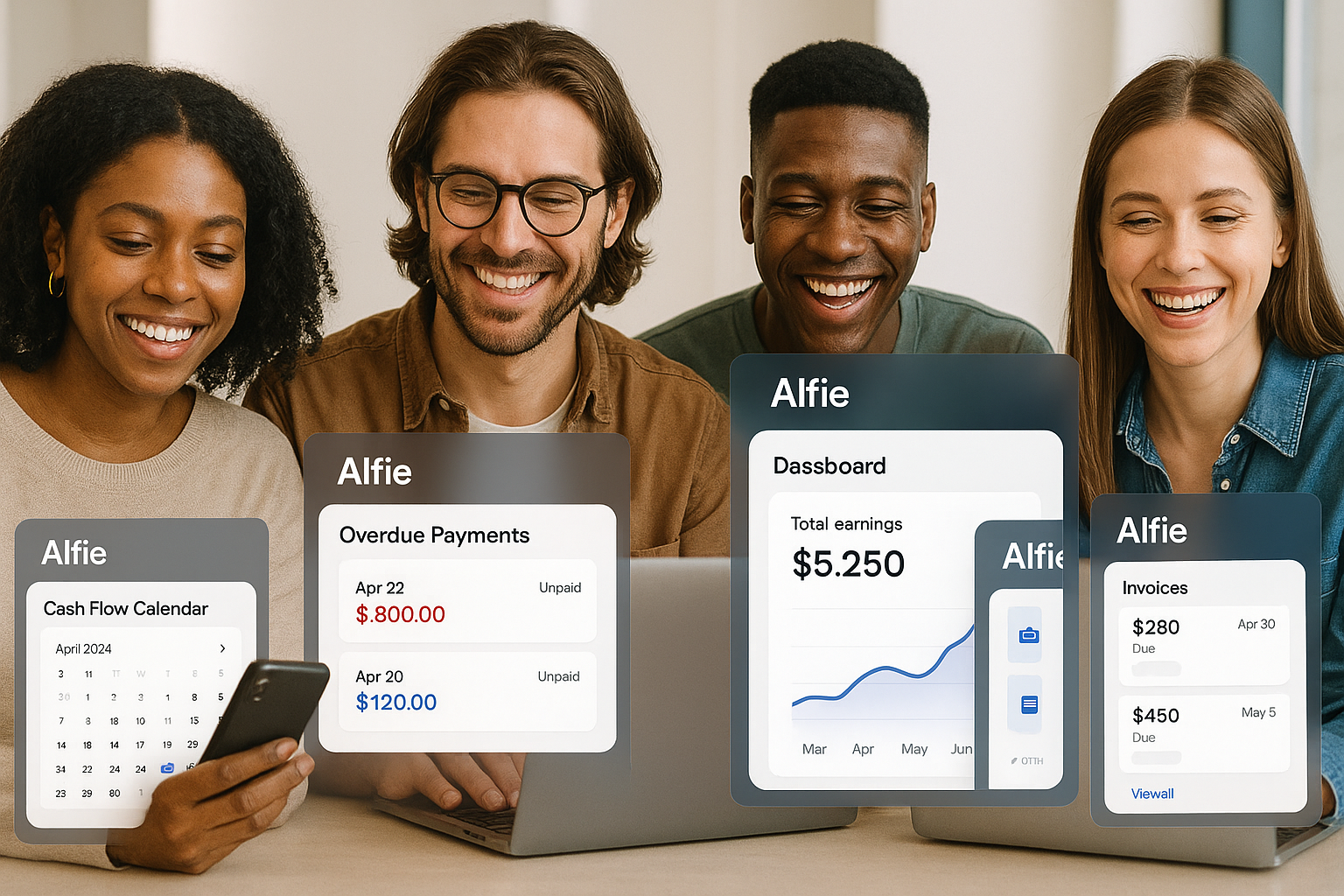
    ✔ Automatically See Your Cashflow Calendar

    Alfie shows when your payments are expected—like having a CFO for your creator business.

    ✔ Track Payments and Overdue Invoices

    Easily mark payments as “Pending,” “Paid,” or “Overdue.”
    No more guessing where your money is.

    ✔ Keep Your Workflow Simple

    Everything is in one place: deals, deliverables, deadlines, and payments.


    How Creators Use Alfie Daily

    • Check which projects are due this week

    • See exactly how much income is expected this month

    • Track which brands still owe money

    • Organize content deliverables by platform

    • Predict future cashflow to plan expenses

    It’s the simplest system for managing a growing creator business.


    Final Thoughts: Track Brand Deals the Smart Way

    Learning how to track brand deals efficiently is one of the biggest unlocks for scaling as a creator. You’ll save time, reduce stress, and know exactly where your money is coming from.

    If you want the easiest way to stay organized and never lose track of a deal again, Alfie is built for you.

    Get organized. Grow faster. Predict your income like a CFO.
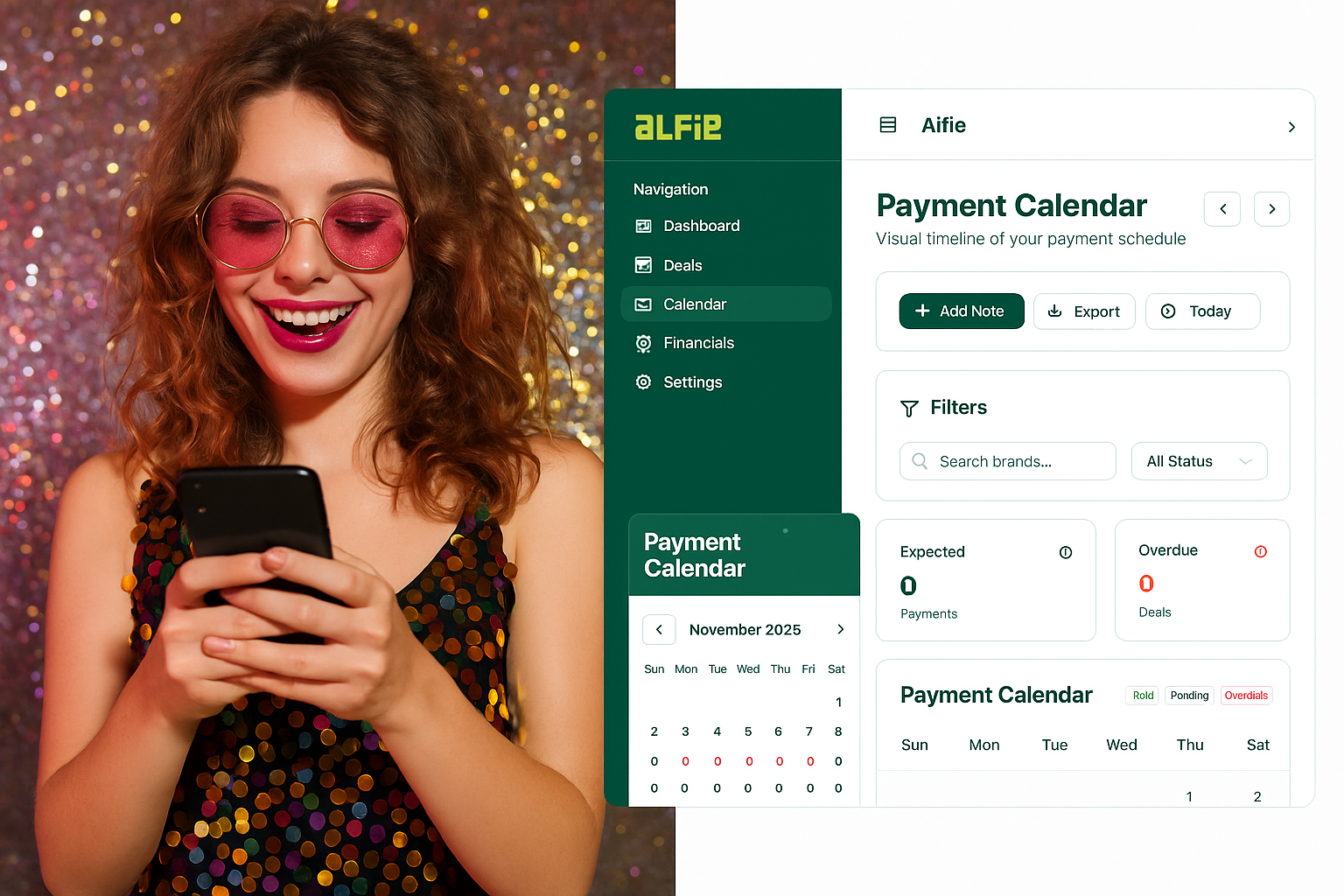
  • Cashflow Calendar for Creators: Track Deals, Predict Income, and Take Control of Your Money

    Cashflow Calendar for Creators: Track Deals, Predict Income, and Take Control of Your Money

    If you’re a creator or influencer, you already know the feeling: one month your inbox is full of new brand deals, and the next you’re waiting on overdue invoices. That unpredictable rhythm is part of the creator economy — but it doesn’t have to leave your finances in chaos. A cashflow calendar gives you visibility, structure, and peace of mind.


    💡 What Is a Cashflow Calendar?

    A cashflow calendar is a visual timeline that shows when money is expected to come in and when payments are due. For creators, it’s more than a spreadsheet — it’s a financial control center. Every time you close a deal, you log:


    • The brand name

    • The payment amount

    • The due date and terms (Net 15, Net 30, etc.)

    Then, you can instantly see which payments are pending, which are late, and what your income projection looks like for the month.


    🎥 Why Every Creator Needs a Cashflow Calendar

    Creators are entrepreneurs — and like any business owner, you need to manage your cash flow. Without a cashflow calendar, you risk:

    • Overcommitting to campaigns before funds clear

    • Losing track of unpaid invoices

    • Struggling to budget for taxes, gear, or growth

    With one glance, a cashflow calendar answers the questions every creator asks:

    “When is my next payment coming in?”
    “Which brand still owes me?”
    “Can I afford to take that new gig?”


    🧾 Tracking Deals Made Simple with Alfie

    Alfie’s Cashflow Calendar was designed specifically for creators and influencers who want to stop managing money in spreadsheets and start acting like CFOs of their own brand. With Alfie, you can:

    • Log every deal and payment term in seconds

    • Automatically calculate your projected income

    • Get notified when payments are overdue

    • Request early payouts for faster cash flow

    No more guessing. No more chasing down brands. Just financial clarity — creator-style.


    🚀 Predict Your Income Like a Pro

    Financial predictability changes everything. When you can see your future income clearly, you can make better business decisions:

    • Plan content launches around payment schedules

    • Set aside money for taxes or new equipment

    • Take on new opportunities confidently

    Alfie’s cashflow calendar turns chaos into control — and gives creators the confidence to scale.


    💬 Final Thoughts

    In the creator economy, creativity drives growth — but cash flow sustains it. A cashflow calendar is the missing piece that keeps your business predictable, organized, and stress-free.

    Stop waiting on brands. Start running your business with clarity.

    👉 Try Alfie’s Cashflow Calendar and predict your income like a CFO, not a freelancer.

  • Top UGC Niches Brands Are Funding in 2025

    Top UGC Niches Brands Are Funding in 2025

    UGC Niches 2025 Introduction

    User-generated content (UGC) has quickly become the backbone of authentic marketing. In 2025, brands are doubling down on influencer collaborations, micro-creators, and everyday consumers to produce content that feels real, trustworthy, and relatable. But not every niche is created equal. Some categories are seeing massive growth and investment, as brands funnel more budget into UGC campaigns.

    If you’re a creator or a brand trying to understand where to spend this guide breaks down the top UGC niches in 2025 and why they’re attracting UGC pricing 2025 funding.


    1. Health & Wellness

    Consumers are seeking trustworthy voices for supplements, fitness routines, and mental health solutions. Brands know polished ads don’t build credibility, real stories do. UGC creators who share genuine before-and-afters, supplement reviews, or fitness challenges are being prioritized.

    Why it’s hot in 2025: Wellness spending is projected to top $7 trillion globally, and UGC is a cost-effective way to influence buying decisions in a competitive space.


    2. Pet Care & Veterinary Health

    From pet nutrition to vet-approved tips, UGC in the pet space is exploding. Creators share authentic content about their dogs, cats, and even exotic pets often outperforming polished ads because they show real experiences.

    Why it’s hot in 2025: Pet owners trust fellow pet parents. Brands like Chewy and Hill’s Pet Nutrition are leaning heavily into UGC for credibility.


    3. Beauty & Skincare

    Beauty has always been a UGC powerhouse, but in 2025, brands are funding even more short-form, unfiltered content. Tutorials, reviews, and reaction-style videos drive conversions because they showcase real results.

    Why it’s hot in 2025: TikTok and Instagram Reels continue to push beauty creators to the front page, making UGC campaigns a no-brainer for brands.


    4. Food & Beverage

    From quick recipes to unboxings, UGC in the food space thrives because it’s highly shareable. Brands fund creators to show products in authentic, everyday settings like “What I eat in a day” content or viral food hacks.

    Why it’s hot in 2025: Short-form food content dominates TikTok and YouTube Shorts, fueling growth for consumer packaged goods (CPG) brands.


    5. Finance & Fintech

    Surprisingly, financial services are among the fastest-growing UGC niches in 2025. Fintech apps, banking solutions, and investing platforms are hiring creators to explain complex topics simply and build trust with Gen Z and Millennials.

    Why it’s hot in 2025: Consumers don’t trust banks, they trust peers. UGC gives fintech brands a way to humanize their message.


    6. Travel & Experiences

    UGC thrives in the travel industry, with creators showcasing destinations, hotels, and experiences. Instead of polished tourism ads, people want to see real traveler footage.

    Why it’s hot in 2025: With global travel rebounding, brands are reinvesting in authentic creator-led campaigns.


    7. Tech & Gadgets

    From unboxings to hands-on demos, UGC plays a massive role in shaping consumer trust in new tech. Brands rely on creators to highlight features in real-world use cases.

    Why it’s hot in 2025: With AI-powered tools and wearable tech booming, creators are the best way to bridge complex innovations with everyday users.


    Conclusion

    The top UGC niches in 2025 are health, pets, beauty, food, fintech, travel, and tech show one clear trend: authenticity is winning. Brands are shifting budgets away from traditional ads and putting them into creator-driven campaigns that feel real and trustworthy.

    Whether you’re a brand looking to scale reach, or a creator exploring which niches pay, these categories represent the biggest opportunities this year.


    Ready to get paid faster?

    Join our early access list to be among the first to unlock advance payments on your next brand deal, no waiting, no stress.

  • Fixing the Creator Cash Flow Problem: How Creators Can Get Paid Faster

    Fixing the Creator Cash Flow Problem: How Creators Can Get Paid Faster

    Fixing the Creator Cash Flow Problem

    The creator economy is booming, but there’s a hidden challenge many influencers, YouTubers, and digital entrepreneurs face: creator cash flow. Even with steady brand deals and ad revenue, most creators struggle with inconsistent payment timelines, delayed invoices, and unpredictable income streams. This makes it hard to plan ahead, invest in content, or scale their business.

    So how can creators fix the cash flow problem and take control of their income? Let’s break it down.


    Why Cash Flow Is a Struggle for Creators

    1. Delayed Payments from Brands
      Creators often wait 30 to 90 days to get paid for collaborations or sponsored posts. That’s a long time to cover bills and production costs.
    2. Platform Revenue Delays
      Ad revenue from YouTube, TikTok, or Instagram Reels usually comes on a fixed monthly cycle, which doesn’t always match creators’ expenses.
    3. Unpredictable Deals
      Unlike traditional jobs, creator income isn’t always steady. One month could bring multiple brand partnerships, while the next may bring none.

    Strategies to Improve Creator Cash Flow

    1. Negotiate Better Payment Terms

    When signing with brands, request shorter net payment terms (e.g., Net 15 instead of Net 60). Many brands are open to it if you ask.

    2. Use Invoicing & Payment Platforms

    Tools like QuickBooks, Wave, or FreshBooks help track invoices and follow up automatically to reduce late payments.

    3. Explore Creator Funding Options

    New services offer invoice factoring for creators, meaning you can get paid upfront for brand deals while the provider waits for the brand’s payment. This smooths out your income without waiting 60+ days.

    4. Diversify Income Streams

    Adding subscriptions, digital products, or affiliate partnerships reduces reliance on one-off deals and creates recurring revenue.

    5. Build a Cash Flow Buffer

    Setting aside a percentage of each payment in a savings or business account creates a safety net during slow months.


    The Future of Creator Cash Flow Solutions

    As the creator economy grows, more financial tools are emerging to solve the creator cash flow problem. Platforms are starting to offer instant payouts, flexible financing, and smarter invoicing systems designed specifically for digital entrepreneurs.

    By combining better business practices with modern funding solutions, creators can finally focus on what they do best: creating content and growing their audience.


    Final Thoughts

    The creator cash flow problem isn’t going away on its own, but with the right strategies and tools, creators can take control of their income. From negotiating contracts to leveraging funding options, small changes can make a big difference in financial stability.

    When creators fix cash flow, they unlock the freedom to scale, hire help, and build sustainable businesses in the creator economy.


    Ready to get paid faster?

    Join our early access list to be among the first to unlock advance payments on your next brand deal, no waiting, no stress.

  • 5 Ways to Solve Late Payments from Brand Deals

    5 Ways to Solve Late Payments from Brand Deals

    If you’re a creator, influencer, or agency, nothing’s more frustrating than late brand payments. You’ve delivered the content, met the deadlines, and fulfilled your part of the contract yet weeks (or even months) go by without seeing the money you’re owed.

    Late payments can put serious strain on your cash flow, making it harder to plan campaigns, pay your team, or reinvest in growth. The good news? There are proven ways to prevent and solve late brand payments so you can keep your business running smoothly.

    Here are five strategies that work.


    1. Tighten Your Contract Terms Upfront

    One of the biggest reasons late brand payments happen is vague or overly lenient payment terms. Avoid language like “net 60” unless you’re comfortable waiting two months. Instead:

    • Use Net 15 or Net 30 terms to speed up payments.
    • Clearly outline penalties for late payments (e.g., a small monthly interest charge).
    • Add milestone payments for longer campaigns so you’re not waiting for one big check at the end.

    💡 Pro Tip: Always get the contract signed before starting any work — even for a “quick” or “small” project.


    2. Send Invoices Immediately

    Waiting a week to send your invoice after campaign delivery only delays payment further. Make invoicing part of your workflow:

    • Prepare your invoice before the campaign even wraps.
    • Include the payment due date prominently.
    • Make sure the brand knows exactly where and how to pay you.

    Automating invoicing with tools like QuickBooks, Wave, or FreshBooks can also help ensure you never miss a send.


    3. Offer Multiple Payment Options

    Sometimes late brand payments happen because the process is inconvenient for the payer. Remove friction by offering:

    • Bank transfers (ACH)
    • Credit card payments
    • PayPal or Stripe
    • Wire transfers for international partners

    The easier it is for a brand to pay you, the less likely they are to stall.


    4. Follow Up — Professionally but Persistently

    If a payment is late, don’t wait silently hoping it will arrive. A structured follow-up schedule can help:

    • Day after due date: Friendly reminder email.
    • One week late: Second email + phone call.
    • Two weeks late: Firm reminder referencing contract terms.

    Keep communication professional and document every interaction. This creates a paper trail if legal action becomes necessary.


    5. Leverage Escrow or Payment Protection

    For higher-value brand deals, consider using an escrow service or platforms with built-in payment protection. This ensures funds are set aside before you start the work.

    Examples:

    • Upwork’s escrow system for freelance arrangements.
    • Influencer marketing platforms that hold payment until both sides mark work complete.

    Yes, these services often take a small fee but they’re far cheaper than chasing unpaid invoices for months.


    Final Thoughts

    Dealing with late brand payments is frustrating, but with the right processes in place, you can protect your time, energy, and cash flow. Tight contracts, quick invoicing, flexible payment methods, consistent follow-ups, and escrow services are your best defense against getting paid late.

    The key is to be proactive because the longer you wait to address late payments, the harder they are to recover.


    Ready to get paid faster?

    Join our early access list to be among the first to unlock advance payments on your next brand deal, no waiting, no stress.

  • What Brands Pay for UGC in 2025 (Updated UGC Pricing Guide)

    What Brands Pay for UGC in 2025 (Updated UGC Pricing Guide)

    User-generated content (UGC) has quickly gone from nice-to-have to essential in modern marketing and 2025 is no different. But as demand rises, creators and marketers alike are asking: What does UGC cost now? In this guide, we break down UGC pricing in 2025, what brands are paying across industries, and how creators can position themselves to earn more.

    What Is UGC (User-Generated Content)?

    UGC is original content like videos, testimonials, unboxings, and tutorials created by customers, influencers, or micro-creators instead of the brand itself. It’s authentic, relatable, and it converts.

    In 2025, UGC is especially valuable for:

    • Paid ads (Meta, TikTok, YouTube)
    • Organic social proof
    • Product pages and Amazon listings
    • Email marketing
    • Reels, Shorts, and TikToks that mimic viral trends


    UGC Pricing in 2025: What Brands Actually Pay

    The cost of UGC has increased slightly in 2025, largely due to higher demand and more professional creator tools. But pricing varies based on the type of content, creator’s influence, licensing terms, and usage rights.

    Average UGC Pricing in 2025:

    Type of UGC Typical Rate (per asset)
    15-30 sec video (no usage rights) $150–$300
    60-sec product demo $250–$500
    Unboxing or testimonial $200–$600
    Multi-platform content bundle $500–$1,500
    UGC + Full Usage Rights (1 year) +30% to +100%
    Whitelisting/Ad Permissions +20% monthly or flat rate ($250–$1,000)


    What Factors Influence UGC Pricing?

    If you’re a creator or brand looking to understand the value of UGC, here’s what typically affects price:

    1. Content Format – A raw, vertical video will cost less than a fully edited ad-ready asset.
    2. Usage Rights – Will the brand own the content or just use it for 30 days?
    3. Exclusivity – Will you promote competing products?
    4. Platform & Ad Usage – Is the content for organic use or paid media?
    5. Turnaround Time – Rush fees are common.
    6. Industry – UGC pricing is higher in skincare, health, supplements, and SaaS.


    UGC Pricing Examples by Industry

    Industry Typical Price per UGC Video
    Beauty & Skincare $300–$800
    Health & Wellness $250–$700
    Tech & Gadgets $200–$500
    Supplements $350–$900
    Apparel & DTC Brands $150–$450


    How Brands Are Budgeting for UGC in 2025

    Brands now build entire UGC campaigns into their media plans. Instead of hiring one influencer to post on their own channel, they hire 5–10 creators to generate raw UGC assets and then repurpose them for:

    • Facebook Ads
    • TikTok Spark Ads
    • Product landing pages
    • Shopify product videos

    Some brands even license winning UGC videos for over a year, driving pricing up with renewals and exclusivity terms.


    How Creators Can Charge More in 2025

    If you’re a UGC creator, here’s how to increase your rates:

    • Offer bundles (3 videos + 5 stills)
    • Include limited usage terms, then upsell licensing
    • Add fast delivery options

    • Charge for ad permissions (whitelisting access)
    • Create portfolio landing pages (not just Instagram)


    Final Thoughts: UGC Pricing in 2025

    UGC pricing in 2025 continues to reflect its rising value. Brands are moving from “influencers with reach” to creators with conversion power and they’re willing to pay for authentic, effective content.

    Whether you’re a brand sourcing content or a creator building a UGC portfolio, understanding current rates and best practices will help you stay competitive in today’s evolving creator economy.


    Ready to get paid faster?

    Join our early access list to be among the first to unlock advance payments on your next brand deal, no waiting, no stress.